How Huyu Electric Products Support EV Charging and Smart Buildings
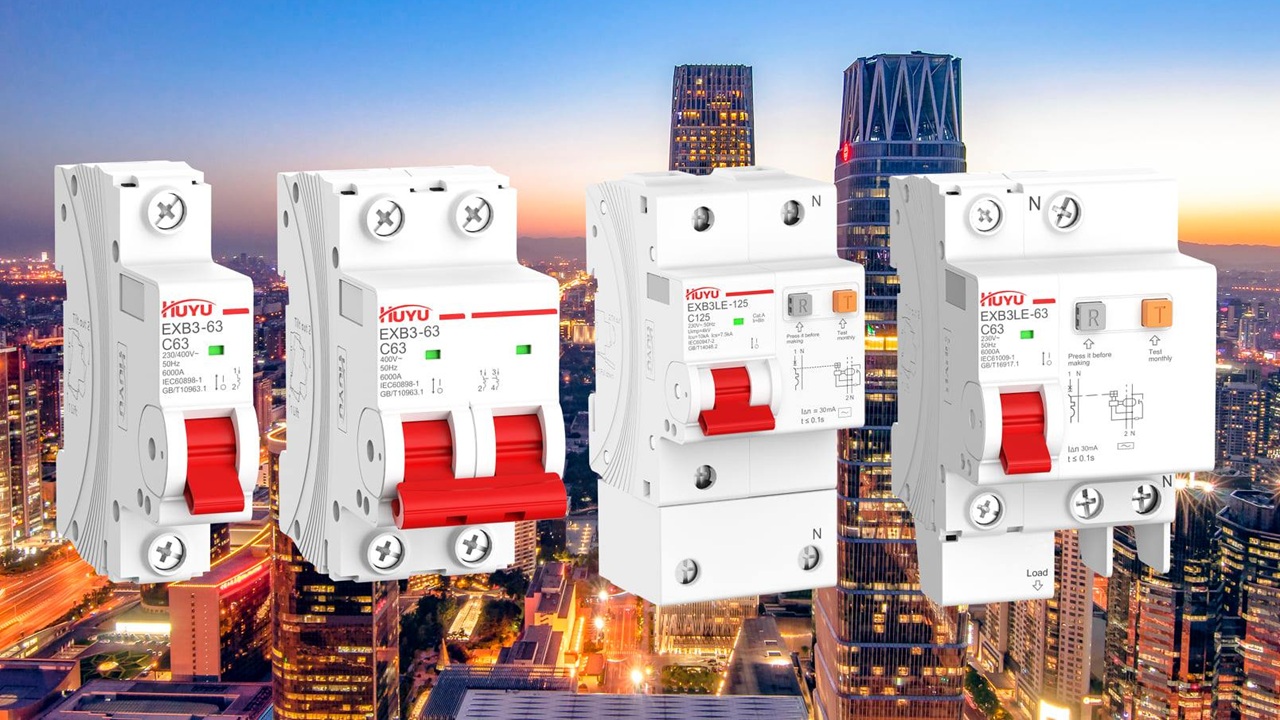
Power is a huge aspect of life today. Safe electricity is needed in cars, lights and machines. With the expansion of cities, buildings are getting more intelligent and connected. Electric vehicles also prevail more on roads nowadays. Such developments imply that electrical systems have to be safer and more dependable. Aid devices do assist in the regulation of power and in preventing hazards at an early stage. Circuit protection devices manufactured by huyu electric are used in such systems. The products are used in the management of power in EV charging and smart buildings.
Why EV Charging Needs Strong Electrical Protection
Electric cars operate with an electric battery. These batteries are charged with special charging devices. EV chargers consume more power than most home appliances. The charging duration has high current flows. This may cause wires and devices to be under heat and stress. There must be protection devices to ensure the system is safe. Circuit breakers prevent overloads, which may destroy cables. Unloaded devices identify leakage currents, which can cause electric shock. These gadgets reduce the chances of injuries and fire.
Handling DC and AC Power Safely
EV charging systems use both AC and DC electricity. Power from the grid is usually AC. Inside the charger, it often changes to DC for the battery. This change can create special leakage currents. Some common breakers cannot detect certain DC faults. Special types of protection devices are designed for this purpose. Type B and Type F residual current breakers can sense these faults. They help disconnect power if a dangerous condition appears. This makes EV charging safer for people and equipment.
Supporting Charging Stations in Buildings
Many smart buildings include EV charging areas in parking spaces. These stations may serve many cars each day. Each charger needs its own protected circuit. Circuit breakers with correct current ratings manage this load. They allow normal charging but trip during faults. This prevents one problem from affecting the whole system. Proper protection also helps avoid damage to expensive charging units. Reliable devices keep the building’s power system stable.
Power Distribution in Smart Buildings
There are numerous electrical systems that are involved in smart buildings. Power is consumed by lighting, heating, cooling and computers. Such systems are usually operated by central distribution boards. Power is subdivided into smaller, safer circuits by the use of circuit breakers. Every circuit is allocated to a specific region or purpose. In case an issue occurs in a circuit, the breaker is triggered. This maintains other portions of the building in operation. It also facilitates easier detection of errors by the maintenance personnel.
Protecting Sensitive Electronic Equipment
Modern buildings use many electronic devices and sensors. These include control panels, smart meters, and network systems. Such equipment can be sensitive to power problems. Sudden surges or faults may cause damage. Miniature circuit breakers help stop high fault currents. Residual current devices protect against leakage that could harm people. Stable protection supports long life for electronic systems. This is important in offices, hospitals, and data centers.
Managing High Power Loads
Both EV chargers and building systems can create heavy loads. Air conditioning systems, elevators, and large machines draw strong currents. Protection devices with higher amp ratings are used here. They allow enough power for normal work. At the same time, they trip if the current rises too high. This balance keeps systems running while maintaining safety. Correct device choice helps reduce overheating and equipment failure.
Role of Testing and Standards
Electrical protection devices must meet safety standards. Testing ensures they trip at the right time. It also checks strength, heat resistance, and durability. Products used in EV charging and buildings follow international standards. These standards guide safe design and performance. Good testing supports reliable operation in daily use. This helps prevent accidents and reduces repair costs.
Helping Systems Run Smoothly
Smart buildings depend on steady power for daily tasks. EV charging stations must work without frequent interruptions. Good protection devices help reduce unwanted trips. They respond only when real faults happen. This supports the smooth operation of equipment and services. Stable electrical systems make buildings more comfortable and efficient.
Conclusion
EV charging and smart buildings need safe and steady power systems. The protection devices are important in the control of electrical risks. Short circuits and overloads are prevented by circuit breakers. Devices that are left on are sensitized to leakage that may lead to shock. These products allow people, equipment, and buildings to be safeguarded. As electric vehicles and smart systems grow, proper protection becomes more important. Reliable devices support safe use of modern electrical technology.